



















Loading...
›
›
Which states are banning vapes in 2025? Learn about U.S. vape laws in 2026, flavor restrictions, disposable vapes, and federal authorization rules.
온라인 스토어
인기 전자담배 제품을 카테고리별로 살펴보세요.
Categories
Brands
Showing 57 Products
당사 독립 테스트 팀은 모든 기기를 소매가로 직접 구매하여 표준화된 벤치 테스트(배터리 소모, 팟 성능, 30일 비용 추적)를 수행합니다. 브랜드 지불금이나 유료 게재를 일절 받지 않습니다.
가이드 카테고리 더보기
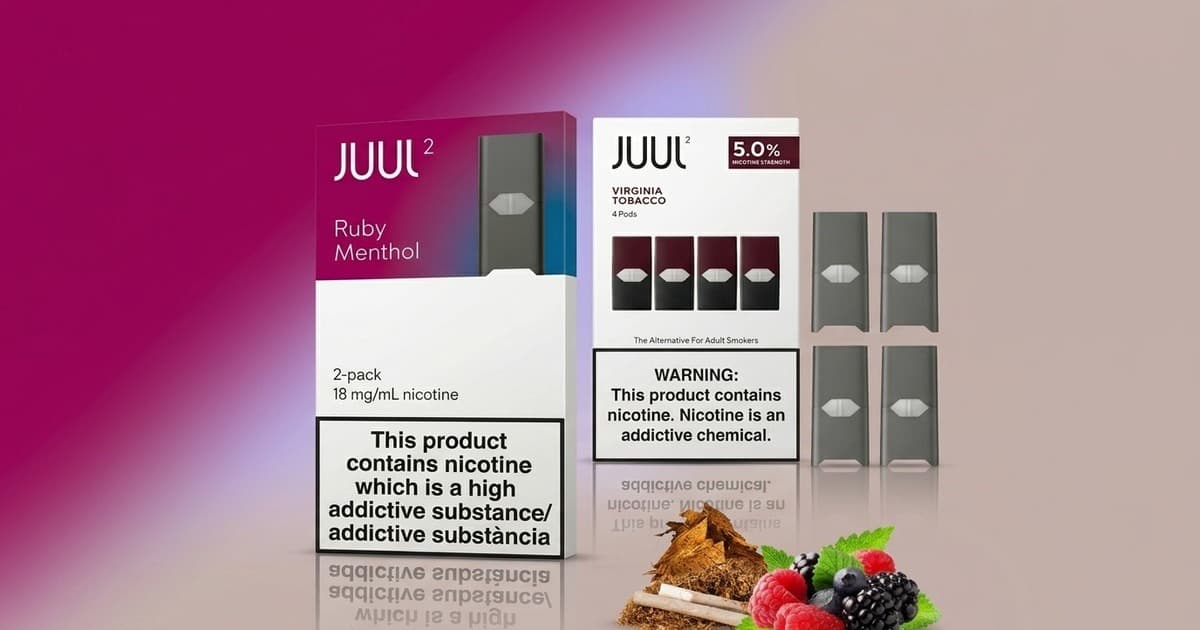
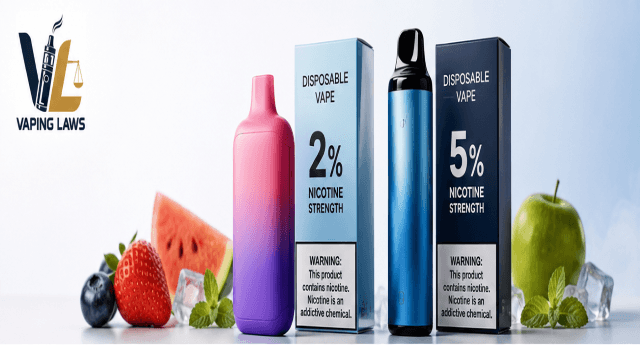



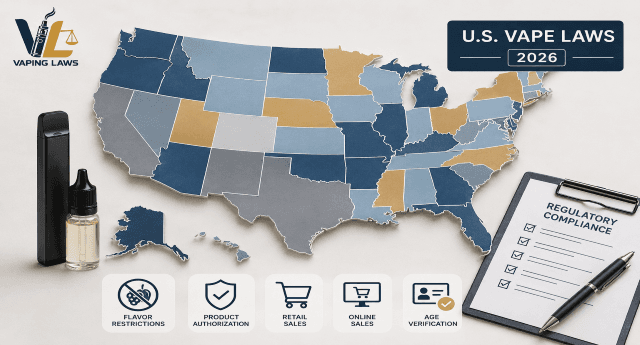
Vape laws in the United States can be difficult to understand because the rules are not the same everywhere. A product may be available in one state but face restrictions in another because of its flavor, authorization status or the way it is sold.
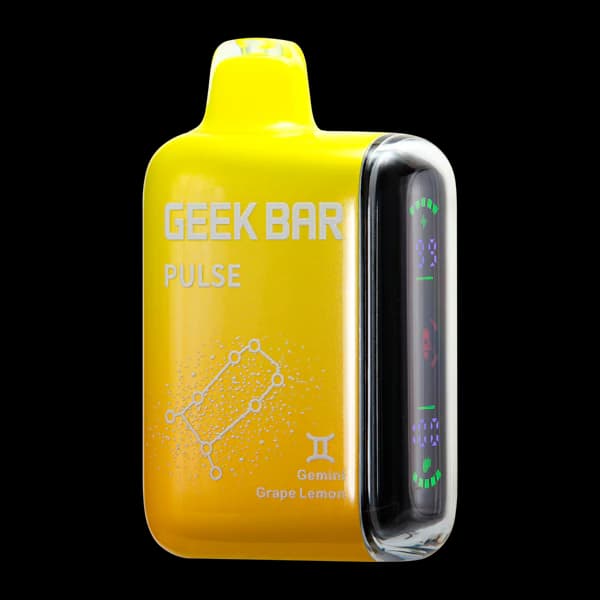
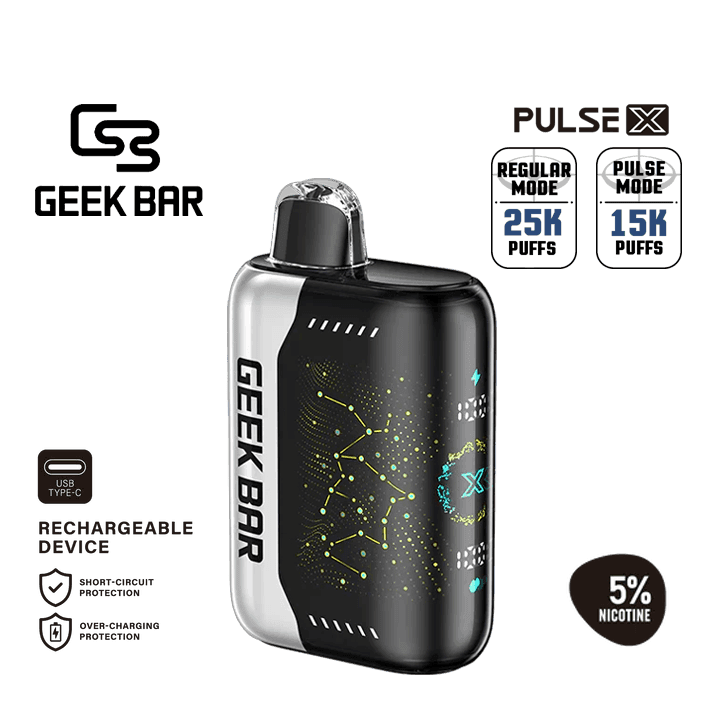
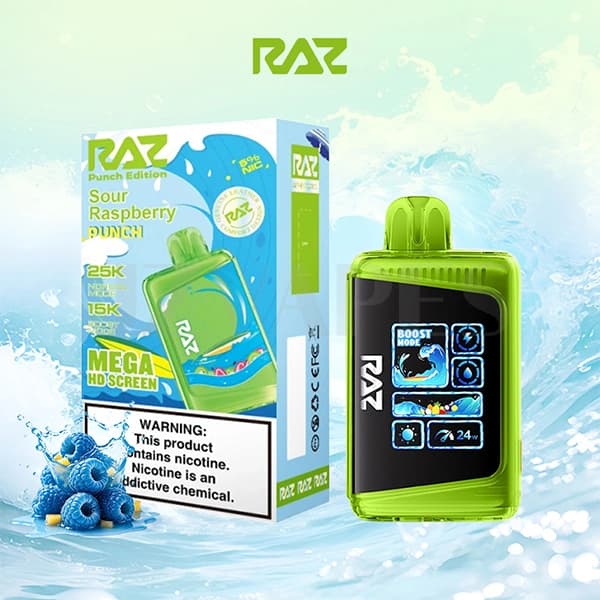
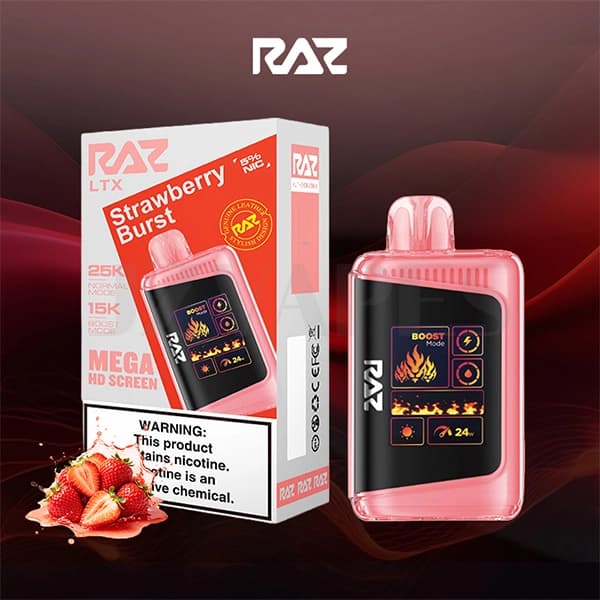
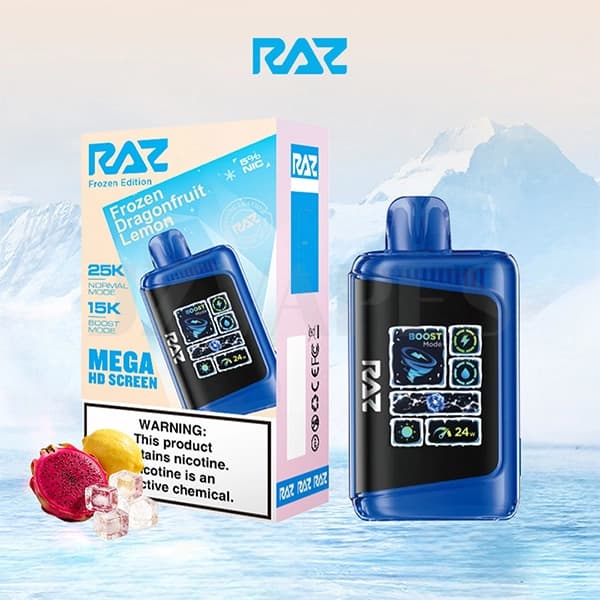
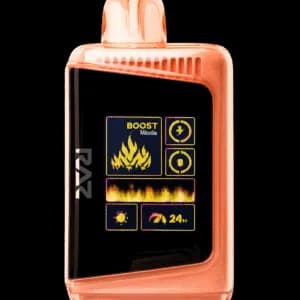
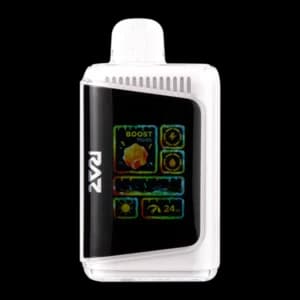
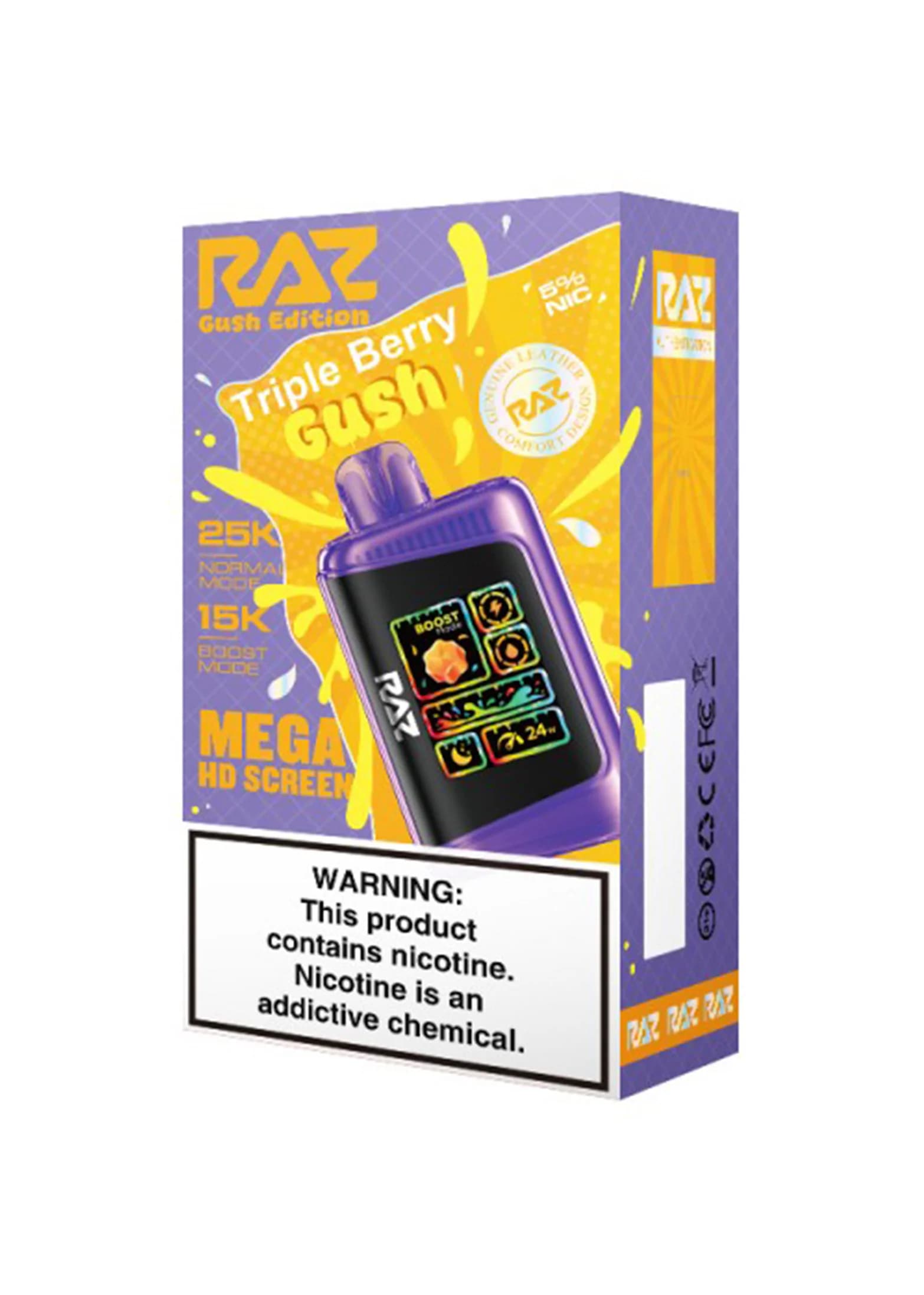
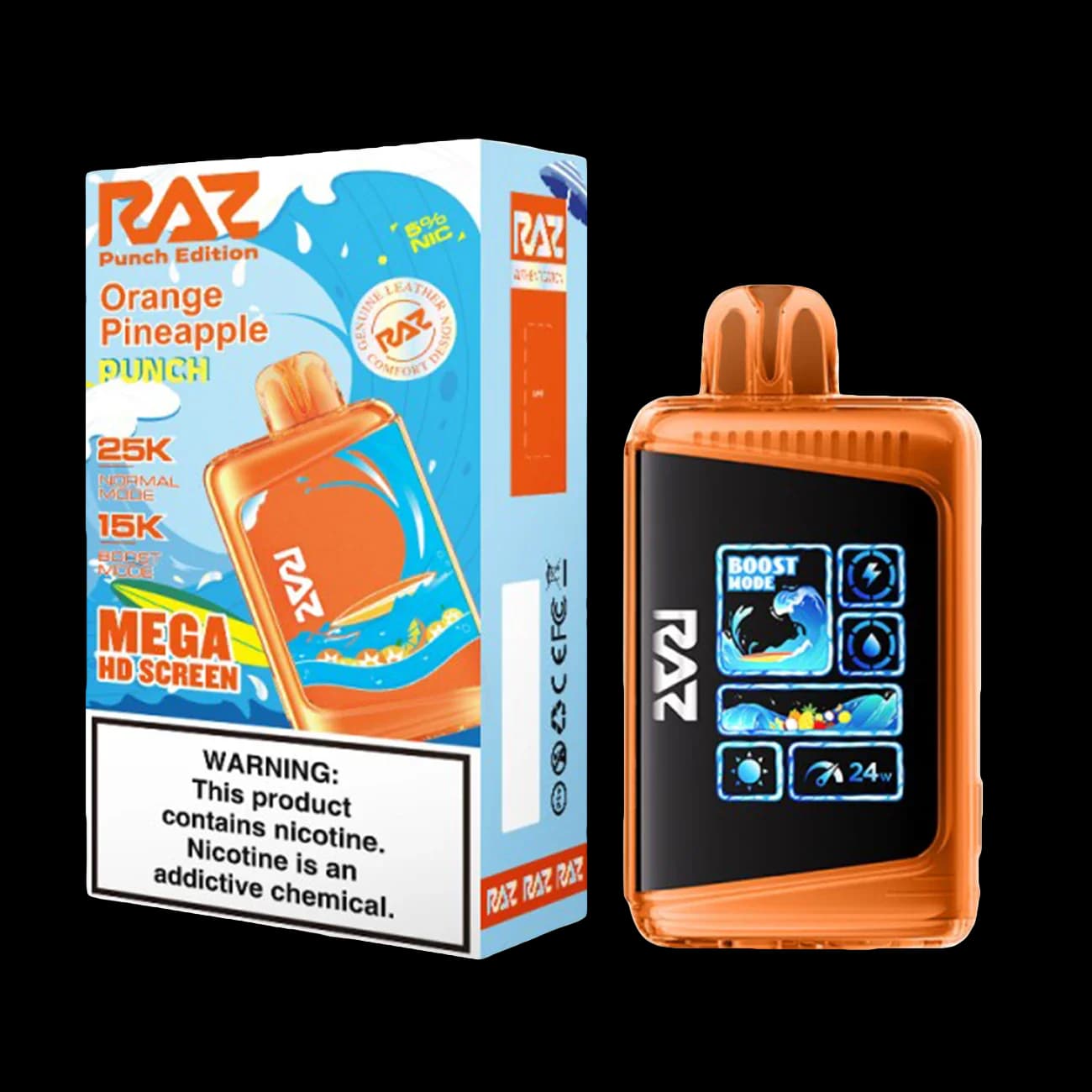
This is especially important for adult consumers researching products such as Raz Vape or Geek Bar Vape. Finding a product online does not automatically mean that it can legally be sold in every state.
If you are researching U.S. regulations before you Buy Vape in Korea, remember that American laws do not apply to every international market. This guide explains the major vape restrictions connected to 2025 and the regulatory situation consumers should understand in 2026.
No. The United States does not have one nationwide ban covering every vape product.
Federal rules apply across the country, but individual states and local governments can introduce additional restrictions. These rules may apply to specific flavors, product types, sales methods or products that do not meet authorization requirements.
Depending on the location, regulations may cover:
This means that a product's legal status depends on more than its brand name. The exact product, flavor, manufacturer, and location can all affect whether it may legally be sold.
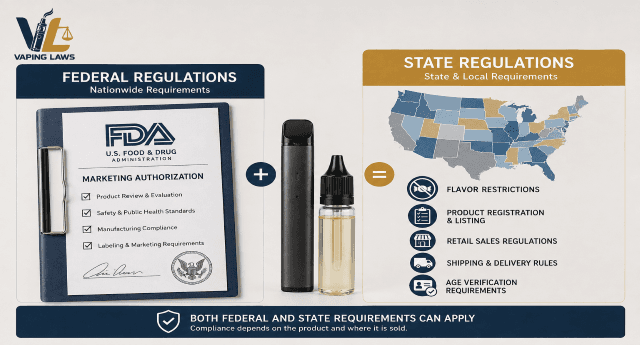
Federal and state regulations work alongside each other. A product may need to meet federal requirements before it can be legally marketed, while state or local rules may add further restrictions.
The FDA maintains a list of electronic nicotine delivery system products that have received marketing authorization. Products that have not received the required authorization may not legally be marketed in the United States.
At the same time, individual states can create their own rules covering:
This is why a product that is legal to sell in one part of the country may face additional restrictions somewhere else.
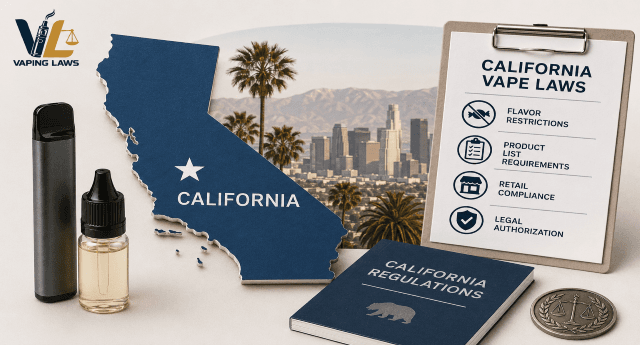
No. California has not banned every vape product.
The state's restrictions have focused heavily on flavored tobacco products and the requirements that covered products must meet before they can be legally sold.
Changes that took effect on January 1, 2025, brought additional attention to product listings and the Unflavored Tobacco List. Products covered by the applicable rules may need to appear on the relevant list to be legally sold in California.
The exact requirements can depend on the product and its classification. Local governments may also introduce rules that are stricter than statewide requirements.
For this reason, consumers should check the exact product rather than assuming that every product from a familiar brand has the same legal status.
Flavor restrictions are one of the main reasons vape laws differ between states.
Fruit, candy, dessert, mint, and other non-tobacco flavor profiles have received significant attention from lawmakers and regulators. However, the exact rules are different from one location to another.
Some regulations focus on the flavor of the product. Others also consider whether the product has received federal authorization or meets state-specific requirements.
These rules can affect both disposable devices and bottled e-cigarette liquid. As a result, the same flavor may have different availability depending on the state where it is sold.
Disposable vapes have become one of the most visible product categories in the vaping market.
Their compact design, wide flavor selection, and high puff counts have made them popular among adult consumers. However, regulators have also increased their focus on products that may be unauthorized or marketed in ways that raise regulatory concerns.
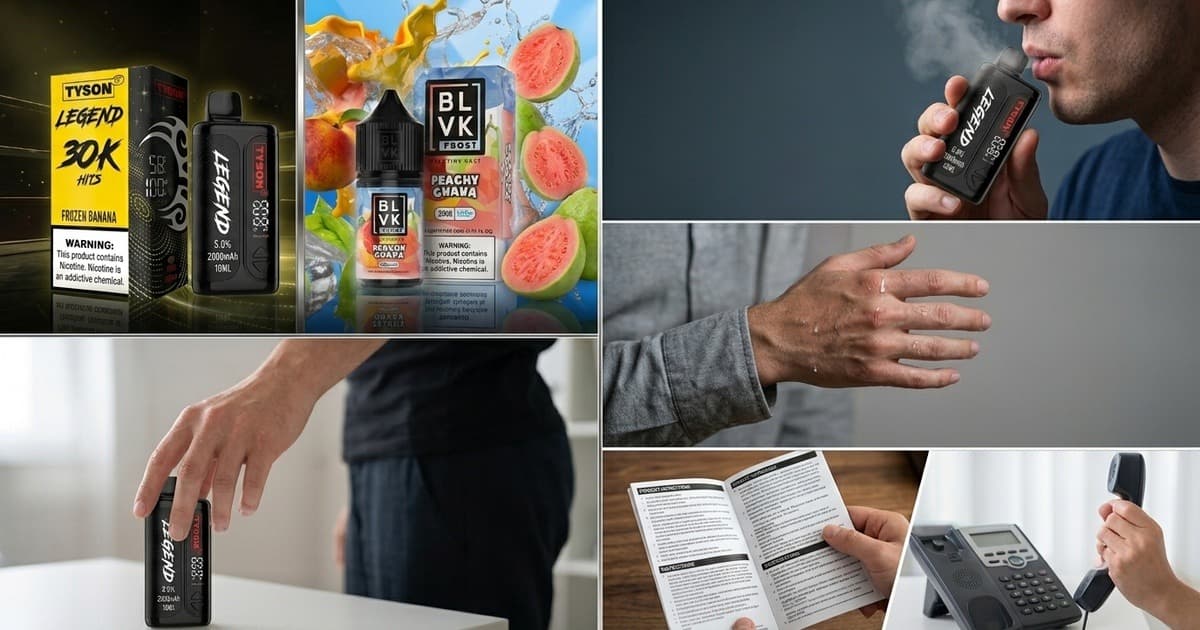
In 2025, the FDA urged retailers to stop selling illegal unauthorized vaping products. The agency also highlighted concerns about products promoted with features such as fruit or candy flavors and built-in games.
This does not mean that every disposable vape is automatically banned across the country. Instead, the legal position depends on the exact product and the regulations that apply where it is sold.
No. Popularity and legal authorization are not the same thing.
A product can be well-known among consumers and still face restrictions in a particular state. This is important when researching brands.
The same principle applies to e-cigarette liquid. The legal status of a specific product may depend on:
Checking the exact product is therefore more useful than relying only on a brand name or online availability.
FDA authorization means that a specific tobacco product has received permission to be marketed under the applicable federal rules.
It does not mean that every product from the same manufacturer is automatically authorized. A brand may have multiple products, models, flavors or versions with different regulatory statuses.
The FDA also makes clear that marketing authorization should not be confused with a claim that a tobacco or nicotine product is safe. Nicotine products can be addictive and tobacco products remain harmful.
This distinction is important for adult consumers who see familiar brand names online and assume that every product carrying that name has the same legal status.
Online availability does not automatically mean that a product can legally be sold or shipped everywhere.
Online retailers may need to follow federal requirements as well as the laws of the state receiving the order. Some locations also apply specific rules to delivery sellers and online retailers.
Before placing an order, check:
A product page may provide useful information, but it may not show the complete legal requirements for every state.
California is not the only place where vaping products face restrictions.
Across the United States, states and local governments have taken different approaches to flavors, product authorization, retail sales, online orders and nicotine products.
Some areas focus mainly on flavored products. Others place greater emphasis on authorization or product registration.
Certain locations may also regulate online sales and delivery. In some cases, local governments introduce stricter requirements than the state itself.
This makes location-specific research important. A nationwide assumption may not accurately explain the rules that apply to a particular city or state.
No. The United States and Korea have separate regulatory systems.
Someone who wants to Buy Vape in Korea should not assume that a product's legal status in the United States automatically applies to the Korean market. The reverse is also true.
A Raz Vape, Geek Bar Vape or a specific type of e-cigarette liquid may be subject to different requirements depending on the country where it is sold or purchased.
International consumers should therefore check the rules that apply to their actual location instead of relying on information from another country.
Before purchasing a vaping product, look beyond the product image and brand name.
Important details to check include:
Rules can change, so information published several years ago may no longer provide an accurate picture of current requirements.
If you are comparing products such as Raz Vape, Geek Bar Vape or e-cigarette liquid, checking the exact product details can help you avoid relying on outdated or incomplete information.
Vaping regulations can be difficult to follow because different countries, states and local governments may use different rules.
Vaping Laws gives adult readers a place to explore vaping-related information, product categories, buying guides and market updates. This can make it easier to understand different products and follow developments affecting the vaping industry.
Readers can also find information related to products such as Raz Vape, Geek Bar Vape and different types of e-cigarette liquid. Those researching international markets or looking for information before they Buy Vape in Korea can also benefit from checking the rules that apply to their specific location.
Because laws can change, official federal, state and local government sources should always be checked for the latest legal requirements before purchasing, selling or shipping a product.
In most cases, states are not banning every vaping product. Instead, restrictions may apply to specific flavors, unauthorized products, disposable devices or particular methods of sale.
California's rules show how state regulations can become more detailed over time, while federal requirements continue to influence which products may legally be marketed in the United States. The legal position of a product can therefore depend on both the product itself and the location where it is sold.
If you are researching a specific product, comparing different types of e-cigarette liquid or checking regulations before an international purchase, always verify the current rules for the exact product and location.
Vaping Laws brings product information, market updates and regulatory developments together to help adult readers better understand an industry that continues to change.