


Juul vs. Vuse vs. Pod Systems
This post is also available in:
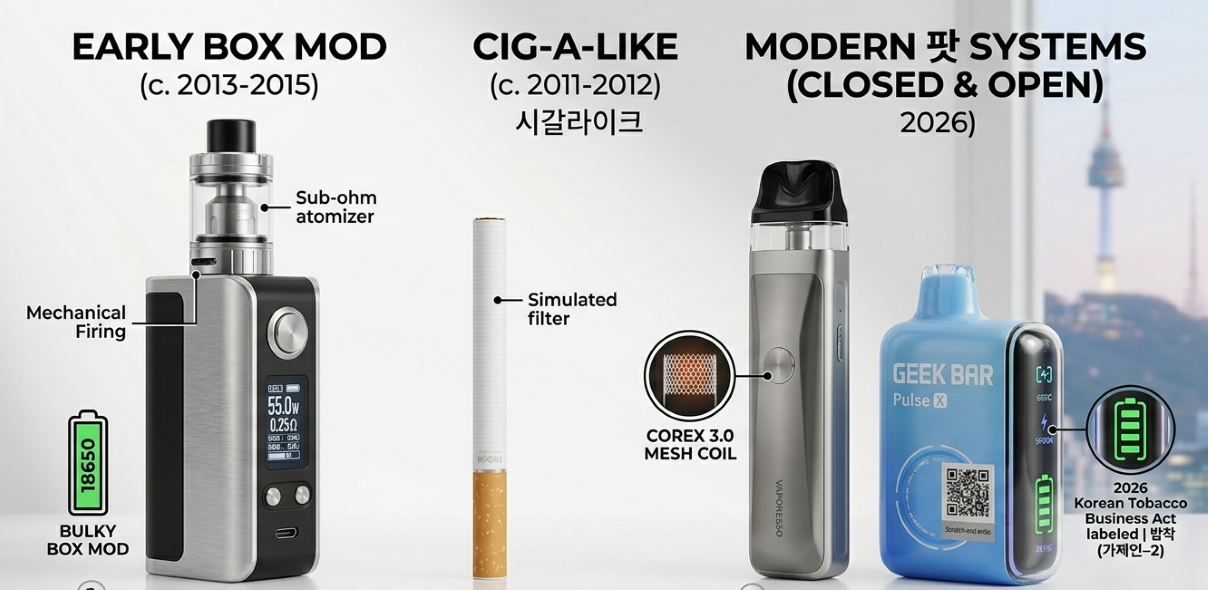
In the early days of the vaping industry, consumers faced a binary choice: bulky “box mods” that resembled laboratory equipment or underpowered “cig-a-likes” that failed to satisfy nicotine cravings. Fast forward to 2026, and the “Pod System” has become the undisputed gold standard for nicotine delivery.
As we navigate the current landscape, data from our “Top 10 Disposable Vapes 2026” reports indicates a massive consumer shift. Vapers are increasingly moving away from single-use disposables due to environmental concerns and rising costs, gravitating toward rechargeable, sustainable systems. However, this transition brings up a pivotal question for every user: Should you opt for a closed system (Juul/Vuse) or a fully open, refillable pod system? This guide breaks down every technical and lifestyle factor to help you decide.
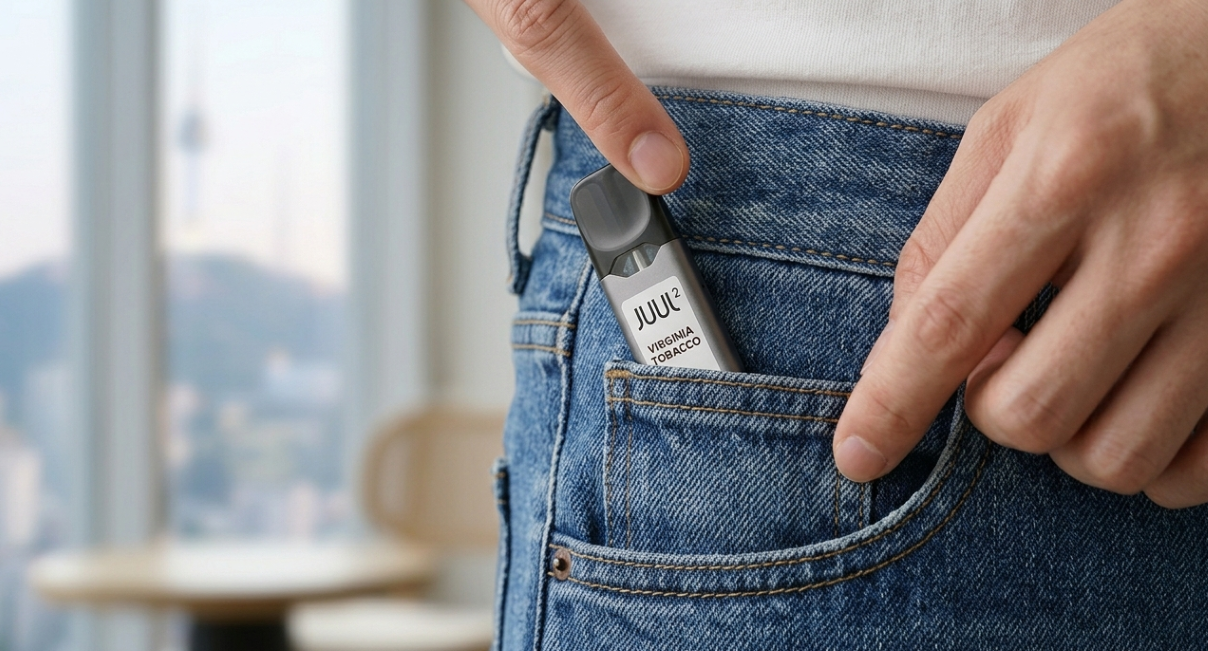
Juul: The King of Discreet Simplicity
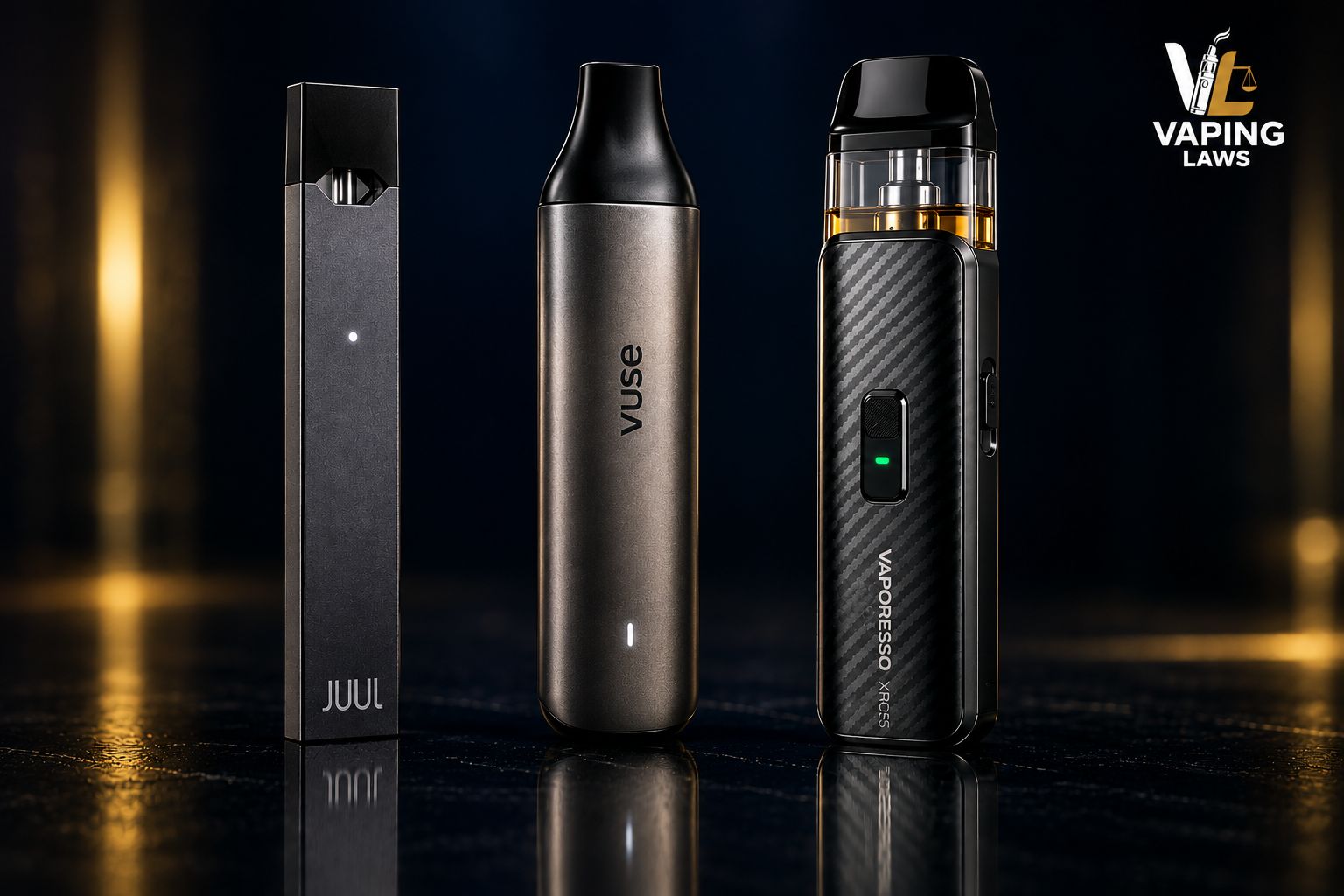
Juul remains the most iconic name in the history of vaping. Its “tall and slim” aesthetic redefined the industry, but its true innovation was the mastery of Nicotine Salt technology. By using organic acids to lower the pH of nicotine, Juul was the first to provide a “throat hit” and blood-absorption rate that mimics a traditional combustible cigarette with startling accuracy.
The 2026 Juul Experience
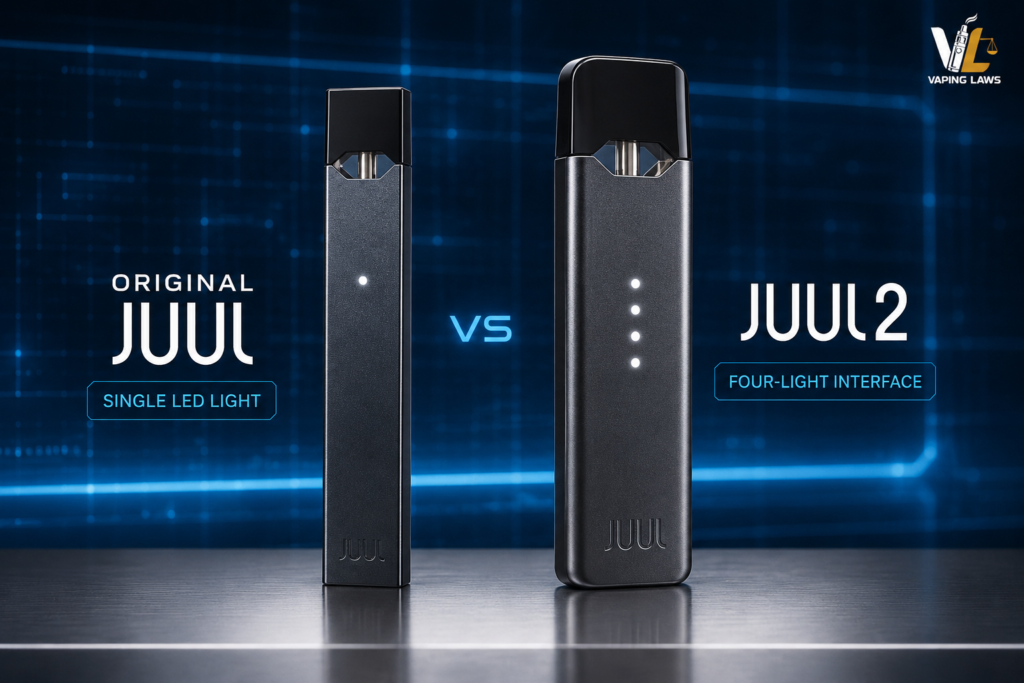
Juul operates as a Closed Pod System. This means the user is locked into the manufacturer’s ecosystem. You cannot refill the pods; once the liquid is depleted, the pod is discarded and replaced. In 2026, the Juul 2 has solidified its place in the market by addressing previous battery life concerns and introducing “smart-pod” technology.
- Industrial Design: Measuring roughly 4 inches tall and weighing next to nothing, the Juul 2 is designed for “stealth vaping.” It fits perfectly in the “coin pocket” of standard jeans, making it the most portable device in this comparison.
- Flavor Profile Strategy: Juul’s philosophy is “quality over quantity.” Unlike the chaotic variety found in the “Best Disposable Vape Flavors” lists, Juul focuses on refined, consistent core flavors like Virginia Tobacco and Crisp Menthol.
- The Tech Stack: Juul uses a sophisticated “auto-draw” sensor. There are no buttons to press, no wattage to adjust, and no menus to navigate. It is a “plug-and-play” device in the purest sense.
Pros of the Juul System
- Ultimate Portability: It remains the most discreet device on the market, ideal for professional environments where a large vapor cloud would be inappropriate.
- Leak-Proof Engineering: Because the pods are factory-sealed, the risk of e-liquid leaking into your pocket or bag is virtually zero.
- Consistency and Regulation: Every puff is electronically regulated to ensure the temperature remains constant, preventing “burnt hits” and ensuring a uniform nicotine delivery.
Cons of the Juul System
- Exorbitant Long-Term Cost: When calculated by the milliliter, Juul pods are significantly more expensive than bottled e-liquid.
- Battery Capacity: The slim profile limits the battery to a lower mAh (milliampere-hour) rating. Heavy users may find themselves charging the device multiple times a day.
- Zero Customization: You cannot change the airflow or the strength of the hit; you are entirely dependent on Juul’s preset specifications.
Vuse: The Versatile Heavyweight
Vuse, backed by the global resources of RJ Reynolds, has emerged as Juul’s primary rival. If Juul is the “iPhone” of vapes sleek, simple, and restrictive Vuse is the “Android” of the closed-system world. The Vuse Alto and the newer Vuse Pro are the dominant contenders in 2026, offering a balance of power and convenience.
The Vuse Experience
Vuse occupies the middle ground of the vaping spectrum. While it remains a closed system, it offers a more robust physical presence and a broader range of options for the consumer.
- Ergonomics and Build: The Vuse Pro features a rounded, metallic chassis that feels more substantial and “premium” in the hand compared to the flat Juul.
- Expanded Flavor Silos: Vuse has leaned into the demand for variety. Their catalog includes profiles that compete with the “Best Disposable Vape Flavors,” such as Golden Tobacco, Rich Tobacco, Menthol, and various fruit-inspired options like Berry and Cream.
- Rapid Charging Technology: One of the standout features of the Vuse Pro is its high-speed charging capability. In an era where “Vape Battery Safety” is paramount, Vuse has optimized its charging circuits to hit 80% capacity in approximately 35 minutes using their proprietary magnetic link.
Pros of the Vuse System
- Superior Battery Longevity: With a larger battery than the Juul, the Vuse Pro can typically survive a full day of moderate use on a single charge.
- Variable Nicotine Strengths: Vuse offers pods in multiple concentrations (e.g., 1.8%, 3%, and 5%). This is a critical feature for users following a “How to Choose Nicotine Strength” guide to gradually reduce their nicotine dependence.
- Global Availability: Vuse has the strongest distribution network in the world. Whether you are in a major city or a rural town, Vuse pods are likely available at the local convenience store.
Cons of the Vuse System
- Proprietary Hardware: Vuse uses a unique magnetic charging cable. If you lose this cable while traveling, you cannot simply use a standard USB-C cord; you must purchase a Vuse-specific replacement.
- Visual Presence: While still portable, it is slightly bulkier and heavier than the Juul, making it less “invisible” in a pocket.
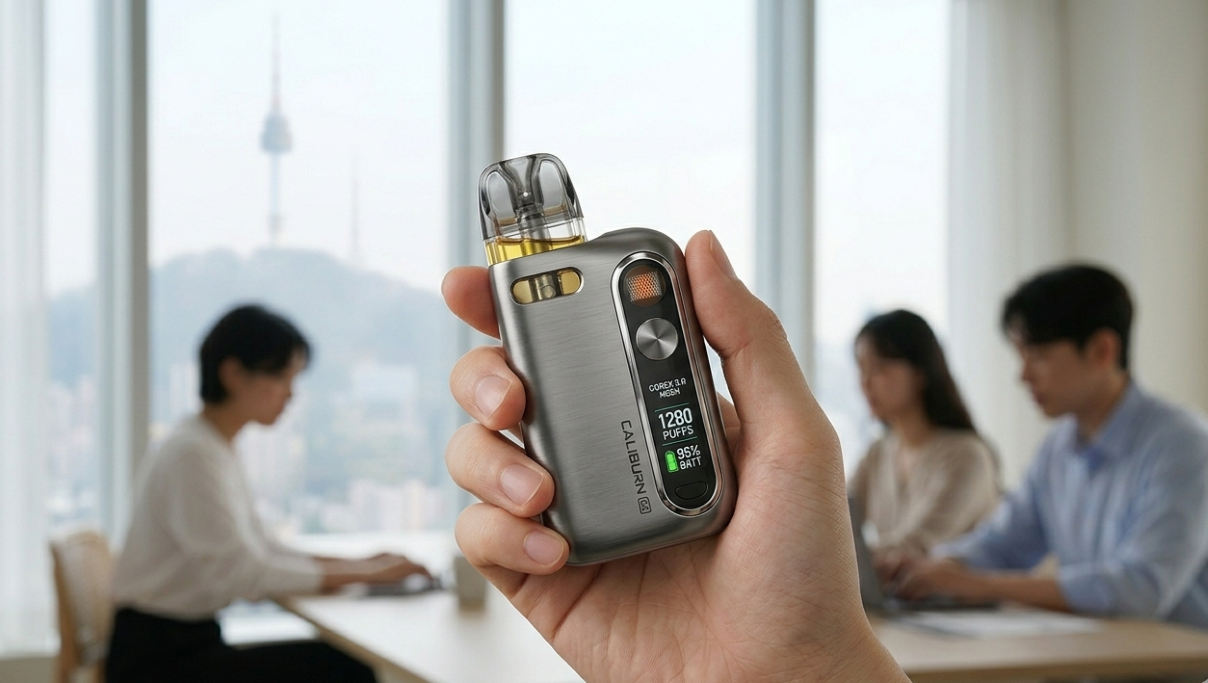
Open Pod Systems: The Enthusiast’s Freedom
If you have explored our “JZ Vapes Pod System Review” section, you know that “Open Systems” are the preferred choice for long-term vapers. Devices like the Vaporesso XROS 5 and UWELL Caliburn G4 represent the pinnacle of this category. These devices allow the user to manually refill the pods with any e-liquid on the market.
The Open Pod Experience
Open systems offer a level of autonomy that closed systems simply cannot match. You own the hardware, and you decide exactly what goes into it.
- Total Customization: Most 2026 open pod systems feature adjustable airflow sliders. This allows you to toggle between a “Tight MTL” (Mouth-to-Lung) hit that feels like a cigarette or a “Loose RDL” (Restricted Direct Lung) hit for more vapor.
- The Power of Choice: Users have access to the entire “Vape Juice Flavor Guide” universe. Whether you want a specific “Mango Ice” from a boutique brand or a complex “Vanilla Custard” dessert profile, the choice is yours.
- Advanced Heating Tech: These devices often utilize “Mesh Coils” and technologies like COREX 3.0, which provide a larger surface area for heating, resulting in significantly better flavor reproduction.
Pros of Open Pod Systems
- Drastic Cost Savings: This is the “high-value” choice. A single 30ml bottle of premium nicotine salt e-liquid costs roughly the same as a two-pack of Juul pods but contains nearly 15 times the amount of liquid.
- Unmatched Flavor Intensity: Because you can choose high-quality liquids and the devices use superior coil technology, the taste is often 2x to 3x more vibrant than pre-filled pods.
- Environmental Sustainability: You are not throwing away a plastic pod every two days. Modern open pods are designed to be refilled 5–10 times before the internal coil needs to be replaced, significantly reducing plastic and battery waste.
Cons of Open Pod Systems
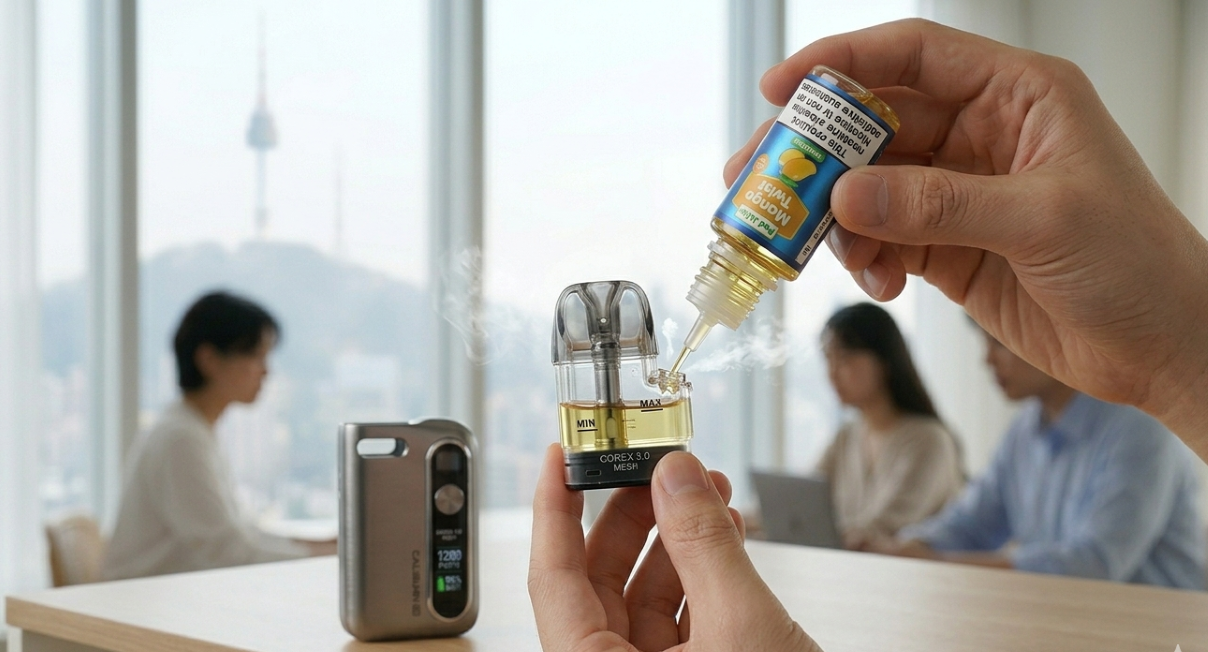
- The Learning Curve: There is a minor barrier to entry. New users must learn how to “prime” a pod (letting the liquid sit for 5 minutes) to avoid burning the cotton.
- Maintenance Requirements: You will occasionally need to wipe away condensation from the bottom of the pod and carry a bottle of juice with you for refills.
- Device Size: To accommodate the large 1000mAh+ batteries and liquid reservoirs, these devices are generally the largest of the three categories.
Technical Specifications Comparison (2026 Market)
| Feature | Juul 2 | Vuse Pro | Open Pod (XROS 5/G4) |
| System Architecture | Closed / Proprietary | Closed / Proprietary | Open / Universal |
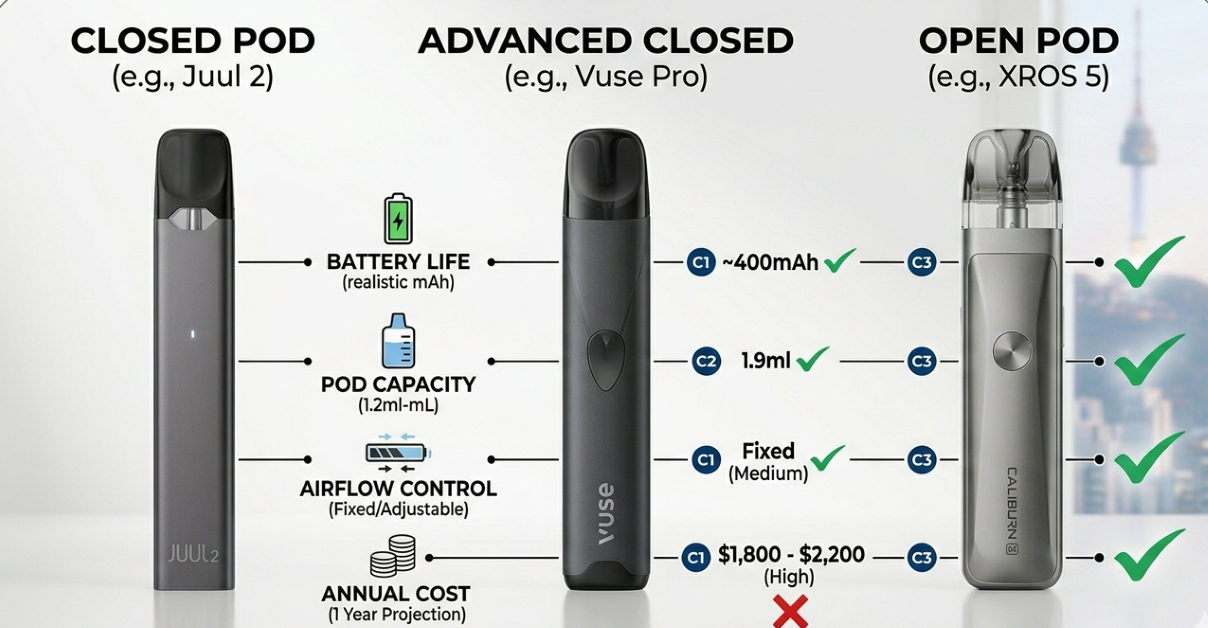
| Pod Capacity | 1.2ml | 1.9ml | 2.0ml – 3.0ml |
| Battery Specs | ~250-300mAh | ~350-400mAh | 1000mAh – 1200mAh |
| Charging Port | Proprietary Dock | Proprietary Magnetic | Universal USB-C |
| Airflow Control | Fixed (Tight) | Fixed (Medium) | Fully Adjustable |
| Flavor Selection | 4-6 Options | 12-18 Options | 5,000+ Options |
| Maintenance Level | None | None | Low (Refilling) |
| Economic Value | Low (Expensive) | Medium | High (Best Value) |
Cost of Ownership Analysis: A 12-Month Projection
When choosing a device, it is important to look past the initial “Starter Kit” price. Here is how the costs typically break down over one year for a “one-pod-a-day” user:
- Juul 2: High cost. Between the device and 365 pods, a user can expect to spend upwards of $1,800 – $2,200 annually.
- Vuse Pro: Moderate cost. With slightly larger pods and frequent “Best Vape Deals” on multi-packs, the annual cost usually lands between $1,200 – $1,500.
- Open Pod System: Optimal value. After the initial $30-$40 for the device, the cost of bulk e-liquid and replacement pods averages out to $400 – $600 annually.
Strategic Advice: How to Transition Successfully
If you are currently using products from our “Disposable Vape“ and want to move toward a more sustainable and high-performing setup, follow this 4-step transition plan:
- Identify Your Profile: Look at your favorite disposable flavor. Is it a fruit-ice? A tobacco? A dessert? Use our “Vape Juice Flavor Guide” to find a bottled equivalent.
- Test the Waters: If you are intimidated by refilling, start with a Vuse Pro. It offers the convenience of a disposable but with better hardware.
- The Upgrade: Once you are comfortable, purchase an Open Pod System (like the Oxva Xlim). This will immediately cut your monthly spending by 60%.
- The Backup Strategy: Always keep a Juul 2 in your glove box or desk drawer. Its “shelf life” and reliability make it the perfect emergency backup if your main device runs out of battery.
Safety, Maintenance, and Troubleshooting
To ensure your device lasts through 2026 and beyond, adhere to these “Vape Safety Tips”:
- Battery Health: Never leave your pod system charging overnight. While modern devices have overcharge protection, “Vape Battery Safety” best practices suggest removing the device once the LED indicates a full charge.
- Preventing “Burnt Hits”: In open systems, the most common issue is a burnt coil. This happens if the cotton inside the pod gets dry. Always ensure your juice level is above the “Min” line visible on the pod.
- Cleaning: Use a dry Q-tip to clean the “well” where the pod sits. Dust and minor condensation can interfere with the gold-plated firing pins, causing the device to misfire.
Final Thoughts: The 2026 Vaping Landscape
The “Juul vs. Vuse vs. Pod System” debate doesn’t have a single winner because every vaper has different priorities.
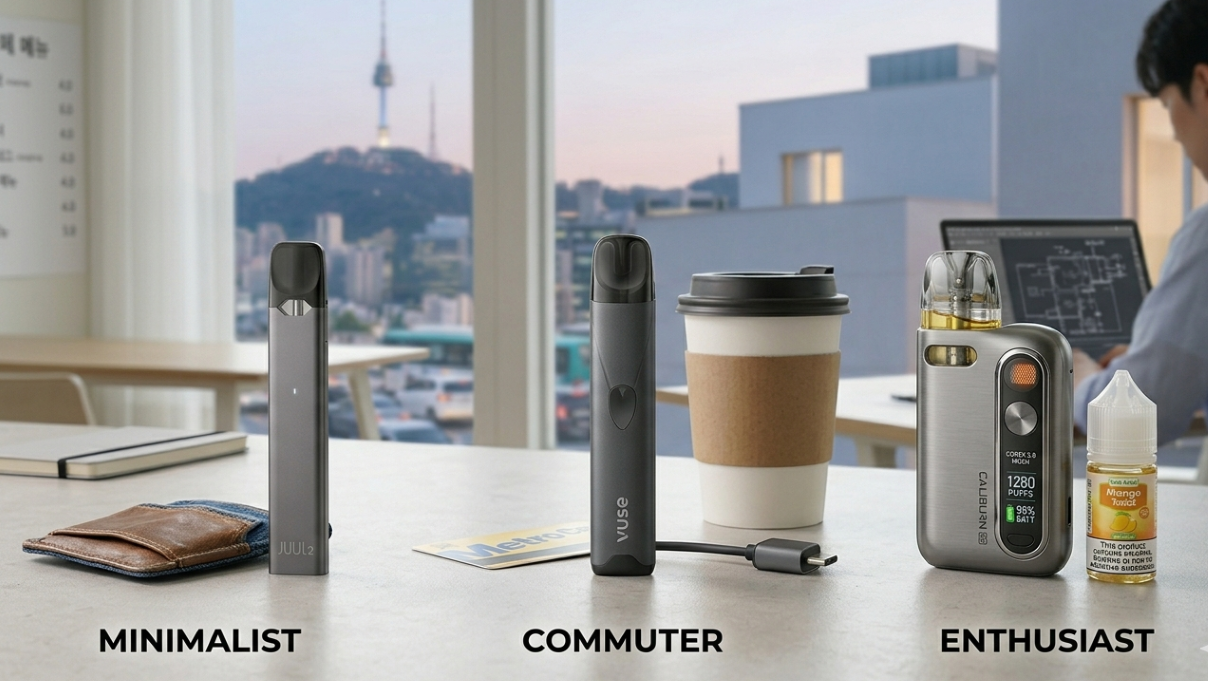
- For the Quitting Smoker: If your “pure intent” is to mimic a cigarette and stop smoking immediately, Juul is the most effective tool.
- For the Commuter: If you want “commercial convenience” and widespread pod availability without any mess, Vuse is the king of the market.
- For the Flavor Enthusiast: If you want the “high-value” experience, the best flavor, and the lowest cost, Open Pod Systems are the future of vaping.
Explore our “Vape Device Reviews” and “Vaping FAQs” for deeper dives into specific hardware models
FAQs
Q1. Which is better: closed pod or open pod system?
Ans: It depends on your needs. Closed systems are simpler and require no maintenance, while open pod systems offer better flavor, lower cost, and more customization.
Q2. Is Juul 2 good for quitting smoking?
Ans: It can help because it closely mimics the feel of a cigarette, especially with nicotine salts, but results vary from person to person.
Q3. Does Vuse Pro last longer than Juul?
Ans: Yes, it generally has a larger battery and can last a full day for moderate users, whereas smaller devices may need more frequent charging.
Q4. Are open pod systems cheaper in the long run?
Ans: Yes, they are significantly more cost-effective since you refill with bottled e-liquid instead of buying pre-filled pods regularly.